The European Parliament’s resolution addresses the horror of the civil war in Sudan but not those profiting from it
The conclusion of the EU trade negotiations with the United Arab Emirates must be conditional on credible steps towards ending the Sudanese civil war.
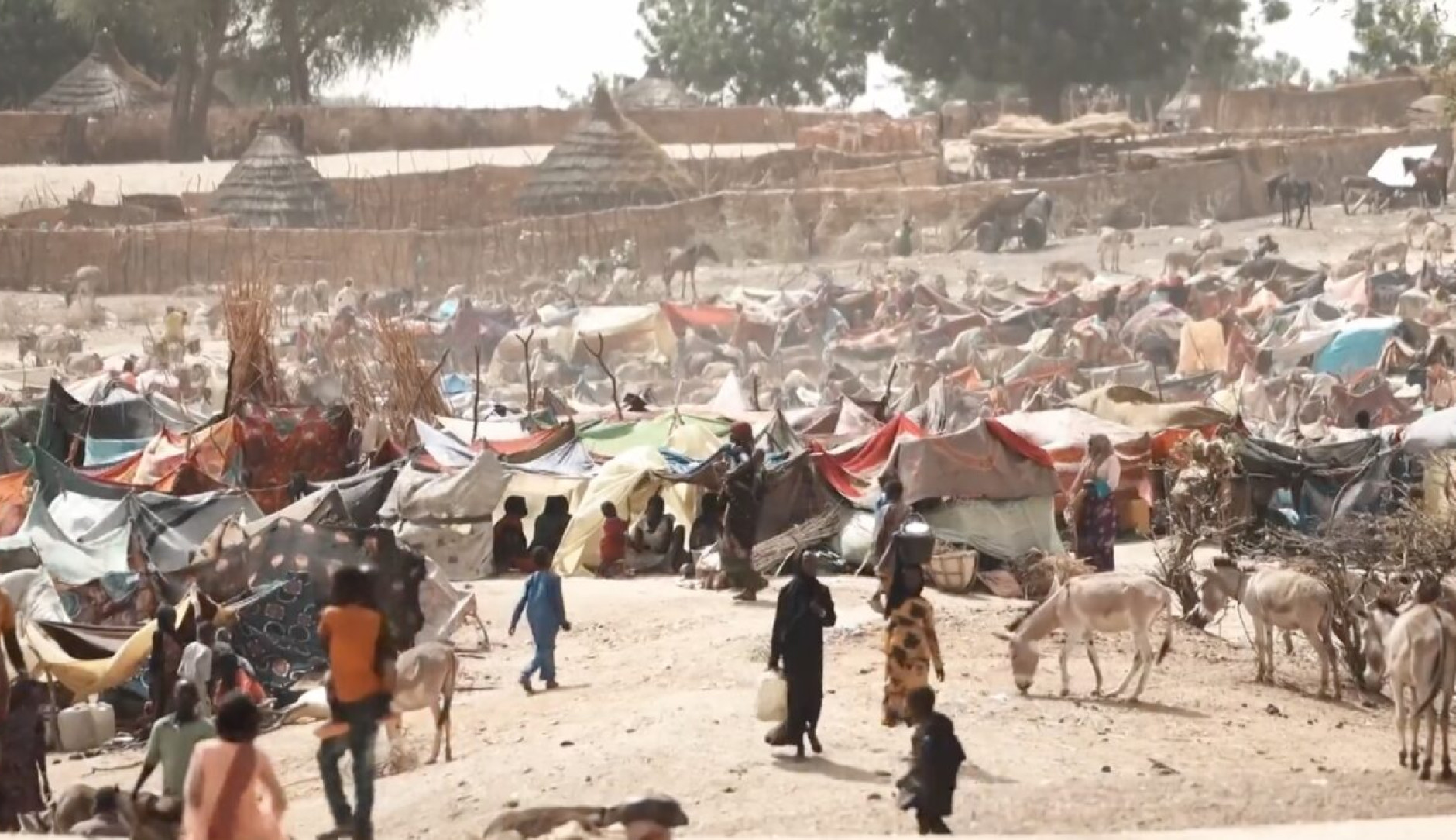
Since 2023, the civil war in Sudan, mainly fought between the government-controlled Sudanese Armed Forces (SAF) and the paramilitary Rapid Support Forces (RSF), has devastated the country, with more than 150,000 people believed to have died. More than 12 million Sudanese have been displaced, of whom 5 million are thought to be children, according to UNHCR estimates. The already strained Sudanese healthcare system has collapsed and food insecurity and famine are adding up to a severe humanitarian crisis. Reports on war crimes and atrocities committed by both sides are widespread and well documented. Horrifying accounts linked to the fall of the city of El Fasher, including ethnically targeted massacres, bombing of displacement camps and widespread sexual violence, betray a systematic campaign of terror by the RSF.
The conflict is fueled by international actors, with a UN weapons embargo in place on the Darfur region since 2004 being routinely undermined. A leaked UN report implied the United Arab Emirates (UAE) is providing weapons to the RSF, while Amnesty International presented evidence for weapons routed to Sudan stemming from UAE, Serbia, Russia, China, Turkey, and Yemen. Even British-made weapons have reportedly ended up in the conflict region, with UAE again being suspected at the core of a smuggling route via Chad - a claim UAE vehemently denies.
Given the severity of the situation in Sudan, Volt welcomes the resolution of the European Parliament calling for a more comprehensive and internationally enforced weapons embargo, extending the existing embargo to the entirety of Sudan. Volt also supports calls for the investigations of the International Court of Justice into the atrocities in Darfur to be extended in scope, in the hope that justice can be served for the many victims of this raging conflict. Volt joins the clear and strong condemnation of gender-based and sexual violence towards children and women, the targeting of civilians, ethnically motivated mass murder and the systematic destruction of civilian infrastructure. Humanitarian corridors must be opened immediately to those in need, in particular to the focal points of the humanitarian crisis in El Fasher, Kadugli and El Obeid. In line with the resolution of the European Parliament, we call on the EU to increase the financing of aid in Sudan and the neighbouring countries directly affected by the flows of refugees, in particular since the international aid system is under severe financial stress after the irresponsible dismantling of USAID through the Trump administration.
International profiteering from the conflict has to stop, and we call on the EU to step up in the fight against illicit financing networks based on resource smuggling and arms trafficking. In this aspect, the resolution of the European Parliament falls undeniably short, failing to address the countries that are keeping the conflict going for their own gain directly. Volt therefore calls on the EU to raise the topic of Sudan’s civil war in the ongoing trade negotiations with the UAE, making a successful conclusion conditional on credible steps of the UAE to stop the flow of weapons to the RSF.
Volt Europa stands in complete solidarity with the Sudanese people. We urge the EU and the international community to back a credible path to a civilian-led transition and sustainable peace. A responsible European foreign policy, in face of the severity of the Sudanese humanitarian crisis and the evidence for systematic war crimes, must base itself in holding up international law and fundamental rights. In the same vein, EU trade policy, and thus the ongoing trade negotiations with UAE, cannot be separated from international law and human rights violations. On the contrary, it must reflect the universality of human rights unequivocally.
Image by Henry Wilkins/VOA, via Wikimedia Commons (Public domain).
______________

You and us share the same dream of a united, thriving Europe. It really means a lot to us when you make a donation, and if you would like to help us plan ahead with confidence, we thank you for your monthly contribution 💜